optimising spaces, home staging, remodeling plans, home improvements



How to Create Functional Spaces with Your Existing Furniture
6/25/20264 min read
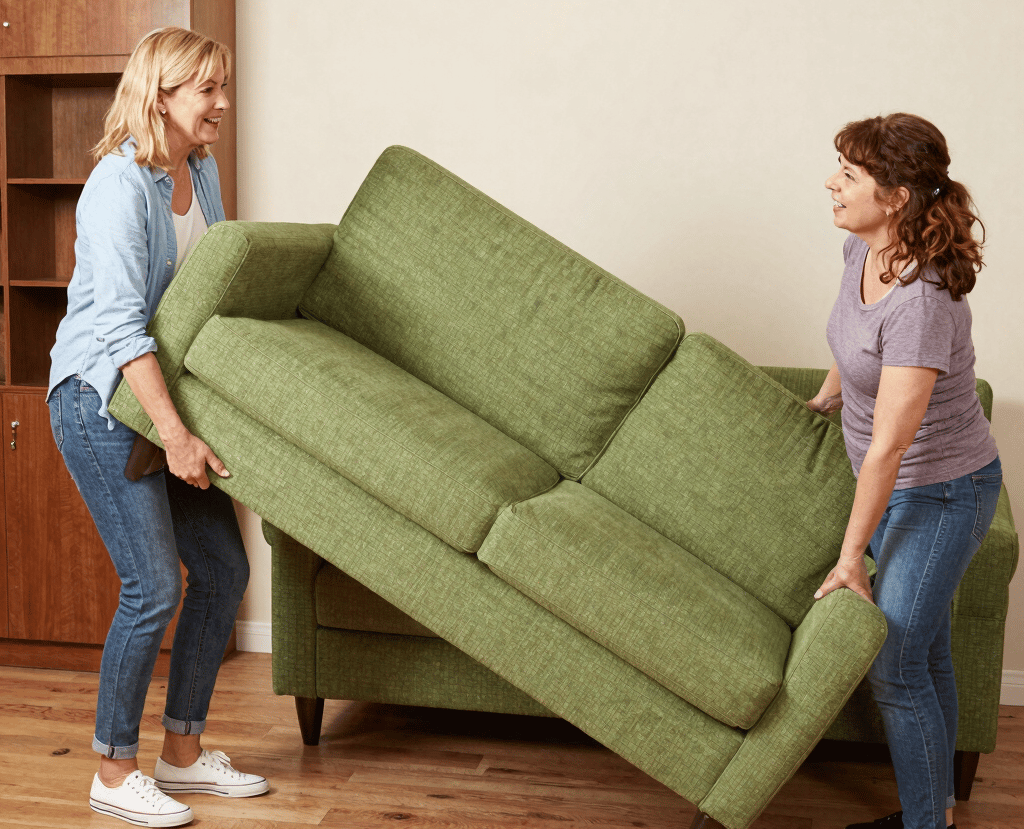
Many people believe that interior design is solely about throwing away old furniture, tearing down walls, and buying overpriced new decor. This is a huge misconception!
As an interior designer, one of the most exciting professional challenges for me is creating a harmonious, highly usable home by smartly rethinking existing pieces and, whenever possible, applying the principles of Feng Shui.
In this case study, I will show you how we transformed a 75-square-meter family home using nothing but furniture rearrangement, and how the "palace of chaos" became a functional living space perfectly suited for a home office.
Why Does a Home Become Chaotic? – The Role of Empathy in Interior Design
When I notice during an on-site consultation that you can only move through a house in a zigzag pattern, and critical areas—like the electricity meter—have become completely inaccessible, it is my professional duty to point this out to the client. However, it is crucial to always do this kindly and factually.
The state of a home is often a reflection of a major life transition or emotional difficulty. In this case, the female homeowner had entered a new phase of life. Originally, the house was prepared for sale (for Home Staging purposes), but during the process, she realized she would rather stay. However, the layout and functions of the spaces had to be radically changed for her to feel good at home again.
Layout and Features of the 75 Sqm House
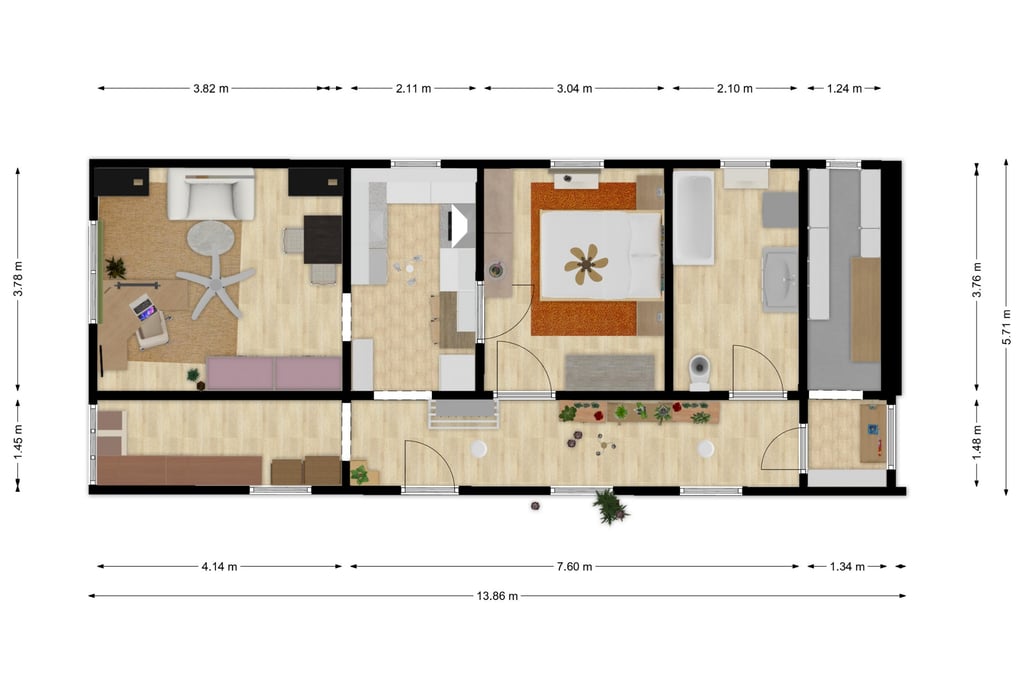
The property is a traditional, well-distributed partially adobe house with the following parameters:
75 square meters
Rooms: 2 large rooms, a kitchen, a spacious bathroom, a pantry, and a half-room/other hal room, used as a walk-in closet
Layout: Every single room opens from a central hallway, which is a built-in veranda.
Practical Steps: How Logical Furniture Rearrangement Works in Practice
Although my client was willing to rearrange her home, she found the idea of moving practically every single item — both small and large — completely overwhelming. Consequently, she wouldn't even start on her own. I was actually thrilled about this, as it gave me the perfect opportunity to indulge in my favorite passion: moving furniture around! With proper logistics, the right tools (furniture sliders and rollers), and teamwork, we successfully managed to move even the heaviest furniture in a great mood. We completed the transformation room by room, following a logical sequence
🛋️Organizing the Kitchen and the Hallway
Kitchen:
We solved the lack of storage space by bringing in a floor-to-ceiling open shelving unit and a closed cabinet with doors. The less frequently used kitchenware was grouped and stored in a separate, designated room.
Hallway (Built-in Veranda):
We created a dedicated entryway zone near the door, complete with a seating option, coat hooks and we eliminated the clutter. The owner's houseplants were aesthetically arranged along a single wall in this area, ensuring that a pleasant, welcoming atmosphere greets anyone stepping inside.
🛋️ Multifunctional Living Room & Home Office: (Micro Zoning Living Room Functions)
The biggest issue was that the workspace and the relaxation area were trapped in the same room. We split them apart using the following steps:
Bedroom:
We moved the bed and all bedroom-related furniture into the smaller room. To ensure maximum peace and quiet, we also closed off the walkthrough opening between the kitchen and this room.
Living Room and office Corner:
The larger room was thus transformed into a full-value living room featuring a desk, an easily accessible sofa, and a dining table. Considered was here that each function has enough space, minimum 90 cms to provide easy accessibility.
🛋️Placing the Desk According to Feng Shui
A critical mistake in desk placement is sitting with your back to the door, as this subconsciously creates a sense of vulnerability.
The Solution:
We positioned the massive desk next to the window, perpendicular to the wall. We also left 100 cm behind the desk, so that the office chair can be moved easily. This way, the client can see the door, natural light enters from the side, and energetically, a dedicated "space for thoughts" was established for mental work. The layout now comfortably accommodates a full-sized desk, a couch, and a 2-person dining table without blocking natural foot traffic.
4. 🛋️Seasonal Storage and Tool Organization
Clothing Storage:The wardrobe closet that previously sat in the hallway was moved to the long room at the back, that was being converted to a walk-in wardrobe. We paired it with another identical closet. This gave us a 2-meter-long, continuous wardrobe zone for non-seasonal clothes. The contents of the remaining shelves were sorted through but kept in this room.
Tools and Hardware: All tools and technical gear were grouped and neatly organized in the smaller space next to the warderobe.
Frequently Asked Questions About Furniture Rearrangement (FAQ)
Do I have to replace all my furniture if I hire an interior designer?
No. The essence of professional interior design is optimizing existing spaces and items. In many cases (such as rearranging children's rooms or family living rooms), 80-90% of the existing furniture can be kept—only their functional layout needs to be changed.
How does Feng Shui help with working from home?
Feng Shui helps identify the energetic focal points of a space. For a home office, the most critical factor is taking the "command position." This means placing the desk so that you can see the entrance of the room from a seated position, while your back is protected by a solid wall.
💬 What’s Your Biggest Furniture Dilemma?
Is there a heavy wardrobe or an awkward corner in your house that is currently driving you crazy? Or is it not functional? You don't need a massive remodeling budget — you just need a new perspective!
Send me a quick message, using the contact bottom and describing your furniture / home concerns, and I'll help you to find a solution!
Key takeaways:
If you don't feel well in your home, moving is not the only option!
If the layout no longer serves your lifestyle, rearranging existing furniture can significantly improve functionality.
Key adjustments can include maintaining wide enough walkways, creating clearance zones, utilizing the "command position" in your spaces, and maximizing space efficiency.